Retail Space Leasing in Slovakia: Current Trends
The retail leasing market in Slovakia is undergoing an interesting transformation. Despite a slight slowdown in consumer demand, the sector is evolving toward greater efficiency, flexibility, and regional diversification. Both tenants and landlords are adapting to the new reality, seeking models that combine lower operating costs, faster implementation, and attractive locations.
Retail Parks Drive Construction and Leasing Activity
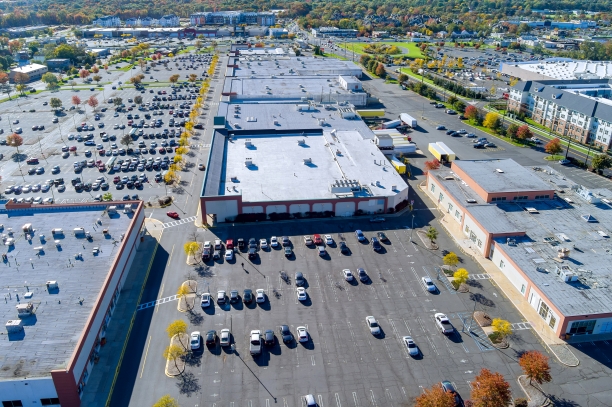
While the development of large shopping centers has slowed down, retail parks are experiencing record demand. By the end of 2025, nine new retail parks with a total leasable area exceeding 61,000 m² are expected to open across Slovakia, including two larger ones over 10,000 m²: OC Klokan Žilina and Retail Park Podunajská brána.
In 2026, another 80,000 m² in 14 projects is projected to be added, with the potential for even more developments.
According to Cushman & Wakefield, this shift reflects the market saturation of large shopping centers. Slovakia ranks among the CEE countries with the highest retail space per capita, which naturally drives expansion toward smaller towns and micro-regions. Retail parks fill the gap for convenient everyday shopping without the need to travel to larger cities.
For tenants, retail parks represent an efficient and cost-effective way to expand, with lower rents and operating expenses. Developers and investors favor them for their lower entry costs, faster construction, and shorter investment payback periods.
Cautious Expansion and New Brands Entering the Market
Despite a more cautious mood among retailers, several new brands are set to enter Slovakia this year, including Kiko Milano (Italy), Worldbox (Poland), Smyk, Müller, Victoria’s Secret, Woolworth, and Adidas, which plans to return with physical stores. Their arrival confirms that Slovakia remains an attractive market, especially in cosmetics, fashion, and discount retail segments.
However, experts note that expansion strategies have become more conservative. Economic factors — such as higher VAT, the new transaction tax, persistent inflation, and elevated interest rates — are putting pressure on margins and prolonging project returns. As a result, retailers are carefully assessing risks and focusing on stable, high-traffic locations with predictable costs.
Changing Consumer Behavior and Retail Response
From the consumer’s perspective, price sensitivity and convenience now dominate shopping habits. Shoppers are reducing impulse spending and focusing on essential purchases, which strengthens the position of discount stores, drugstores, and grocery chains, the main tenants of retail parks.
At the same time, experience-driven shopping is gaining importance, particularly in larger cities. Modern consumers expect an engaging environment, food options, and relaxation zones. In response, landlords are enriching their projects with a broader mix of services, dining concepts, and complementary amenities that enhance footfall and customer loyalty.
Overall, Slovakia’s retail real estate market is balancing efficiency and experience, with retail parks driving growth and reshaping how both investors and consumers view the modern shopping landscape.