Personalization of the Workplace: How Office Space Supports Performance and Employee Satisfaction

Personalization of the workplace is becoming a key element of modern office environments. Companies increasingly recognize that well-designed office space is not just about aesthetics, but about productivity, engagement, and the ability to attract and retain talented employees.
What Does Workplace Personalization Mean?
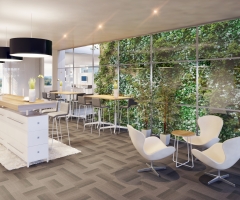
Personalized office space allows employees to adapt their work environment based on their work style, preferences, and current needs. This may include:
- flexible workstations (flexi desks, hot desking),
- quiet zones for focused work,
- collaborative areas for teamwork,
- relaxation areas and informal meeting points,
- ergonomic furniture and adjustable workstations,
- intelligent lighting and climate control systems.
Such solutions improve the efficiency of office space utilization while also supporting employee well-being.
Why Is Personalization Important for Office Tenants?
Companies that invest in modern office design and flexible working environments achieve:
- higher team productivity,
- better cross-department collaboration,
- lower employee turnover,
- stronger employer branding.
When selecting office premises, businesses no longer focus solely on location or rental costs. They also consider layout flexibility, technological infrastructure, and the overall adaptability of the space.
Personalization and Flexible Offices
The rise of hybrid work has significantly influenced how office spaces are designed and leased. Flexible offices and coworking spaces allow companies to respond to changing team needs without long-term commitments.
Modern office buildings now offer adaptable floor plans, smart building management solutions, and high technical standards. Personalization is therefore not only about interior design, but also about the technological readiness of the building itself.
How Can an Office Sector Expert Support Decision-Making?
Selecting the right office space should take into account not only the current number of employees, but also future growth, organizational structure, and company culture. A real estate advisor helps to:
- analyze tenant requirements,
- recommend the optimal office size and layout,
- negotiate flexible lease terms,
- ensure efficient use of leased space.
Well-implemented workplace personalization can become a company’s competitive advantage while simultaneously increasing the value of leased office space.